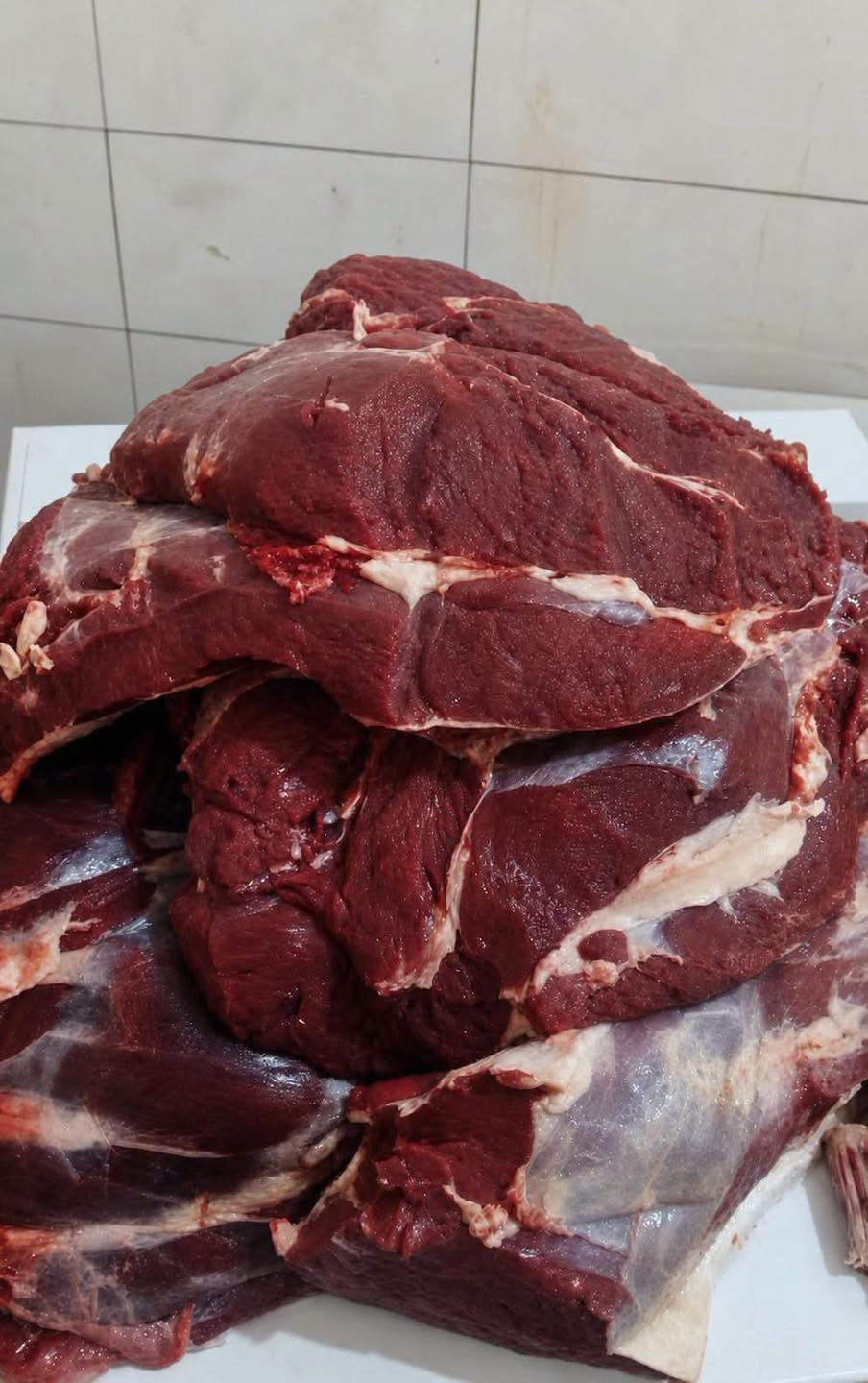
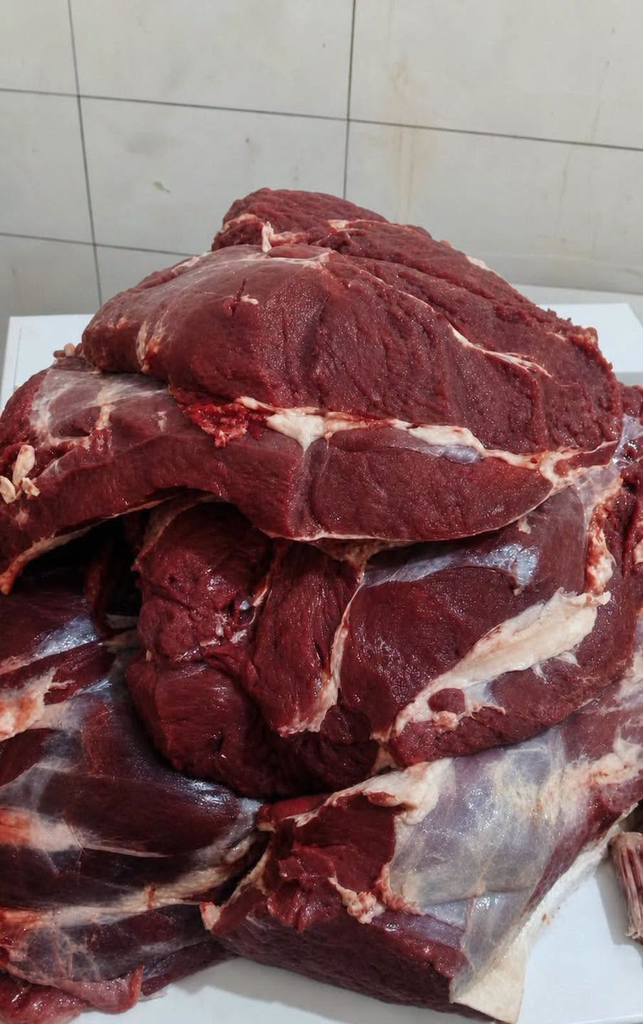
A photograph showing a large pile of dark-red meat, with visible connective tissue and patches of white fat, has sparked questions online. The accompanying headline suggests that supermarkets may be misleading customers about the meat they sell.
But before drawing conclusions, it is important to understand what the photograph actually shows—and what it cannot tell us.
What Kind of Meat Is in the Picture?
The meat appears to be raw, red muscle tissue with visible connective tissue and some fat. Its dark-red color and the size of the cuts may resemble beef, but the photograph alone cannot establish the animal species, the exact cut, or the source.
Different animals and cuts of meat can look similar after butchering. Lighting, packaging, storage conditions, and exposure to oxygen can also affect the color of raw meat.
It would therefore be misleading to claim that the image proves the meat comes from a particular animal or contains an undisclosed ingredient.
Why Does Some Meat Look So Dark?
Fresh meat naturally contains myoglobin, a protein that helps muscle tissue store oxygen. The amount of myoglobin varies with the animal, muscle, age, and other factors.
Meat may appear dark red or purplish when it has had limited exposure to oxygen. Once exposed to air, its surface can become brighter red. Later, oxidation can cause it to develop brownish tones.
Color alone is not a reliable way to determine whether meat is safe to eat. Smell, texture, storage history, packaging integrity, and proper temperature control also matter.
What Are the White Strips on the Meat?
The white areas visible in the photograph may include fat, connective tissue, or silverskin—the thin, shiny membrane surrounding certain muscles.
These are normal anatomical components of meat. Their presence does not automatically indicate poor quality or adulteration.
Some cuts contain more connective tissue than others. This can make them tougher when cooked quickly but tender when prepared slowly using methods such as braising or stewing.
Are Supermarkets Misleading Customers?
Mislabeling and food fraud can occur in the meat industry, but this particular photograph does not establish that either has happened.
Consumers can protect themselves by checking:
- Product labeling: Look for the stated species, cut, origin where required, and relevant inspection information.
- Packaging: Avoid packages that are leaking, damaged, or swollen.
- Storage: Refrigerated meat should be kept cold, and frozen products should remain properly frozen.
- Traceability: Choose sellers who can explain where their products come from.
- Price claims: An unusually low price may justify asking questions, but it is not proof of fraud.
If a product appears mislabeled, keep the packaging and receipt and report the concern to the relevant food-safety authority.
How to Handle Raw Meat Safely
Regardless of the animal species, raw meat should be handled carefully to reduce the risk of foodborne illness.
Keep it refrigerated, separate it from ready-to-eat foods, wash hands and utensils after contact, and cook it to a safe internal temperature appropriate for the product.
Do not rely on color alone to determine whether meat is thoroughly cooked; a food thermometer is more reliable.
The Bottom Line
The photograph shows large pieces of raw meat with visible fat and connective tissue, but it does not prove that a supermarket is selling an undisclosed product or deceiving customers.
The best protection for consumers is accurate labeling, reliable sourcing, appropriate storage, and clear information about the food they buy.
Would you buy meat that looked like this? What matters most to you when choosing meat: its appearance, price, origin, or the seller’s reputation? Share your thoughts in the comments.