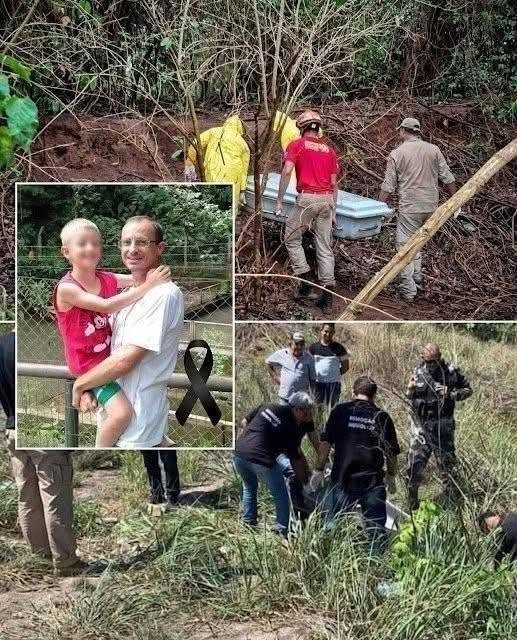
A photograph showing a family moment alongside images of a recovery operation has been shared with a disturbing caption claiming that a father took his son’s life after discovering that he was gay. However, the image and incomplete caption do not establish which case is being described, so the specific allegation should not be treated as verified without reliable reporting.
The broader issue is real and serious: rejection, threats, and violence directed at people because of their sexual orientation can have devastating consequences for individuals and families.
1. Family Acceptance Matters
For many people, family is their first source of safety, support, and belonging. When a young person fears rejection because of their sexual orientation, home can become a source of stress rather than security.
Acceptance does not require parents to understand every aspect of their child’s life immediately. It does require treating them with dignity, listening without threats, and ensuring that disagreements never become an excuse for abuse.
2. Documented Cases Show the Seriousness of the Issue
There have been documented criminal cases involving LGBTQ+ people harmed by family members.
In 2017, 14-year-old Giovanni Melton was fatally shot by his father in Nevada. His mother said the killing was connected to the father’s rejection of his son’s sexual orientation. His father was subsequently convicted of murder and sentenced to life in prison. Reporting on the case also documented that the defense disputed aspects of the account of the shooting.
Another case involved Amir Issa, who was killed in Los Angeles in 2016. His father was convicted of murdering both Amir and his mother. Jurors also found the hate-crime allegation in Amir’s killing to be true.
These cases are distinct, and their circumstances should not be confused with the unidentified incident suggested by the circulating photograph.
3. Why Awareness and Support Are Important
People who fear being rejected or harmed by their families may struggle to ask for help. Friends, relatives, teachers, and community members can make a difference by taking threats seriously and helping someone reach a safe place when necessary.
If a person faces immediate danger at home, their safety should come first. They can contact local emergency services or a trusted professional or support organization, where available. Anyone witnessing a credible threat of violence should seek appropriate assistance rather than confront a potentially violent person alone.
4. A Message About Dignity and Respect
Every child deserves safety, regardless of sexual orientation. Parents can have difficult conversations, express concerns, and seek guidance without resorting to humiliation, coercion, or violence.
A person’s identity should never be used to justify abuse. Building safer families begins with listening, compassion, and a commitment to protecting one another.
Final Thoughts
The story circulating with this image should be verified before its details are repeated as fact. At the same time, documented cases of violence against LGBTQ+ people remind us why family acceptance and personal safety matter.
What do you believe families and communities can do to ensure that every young person feels safe, respected, and supported at home?