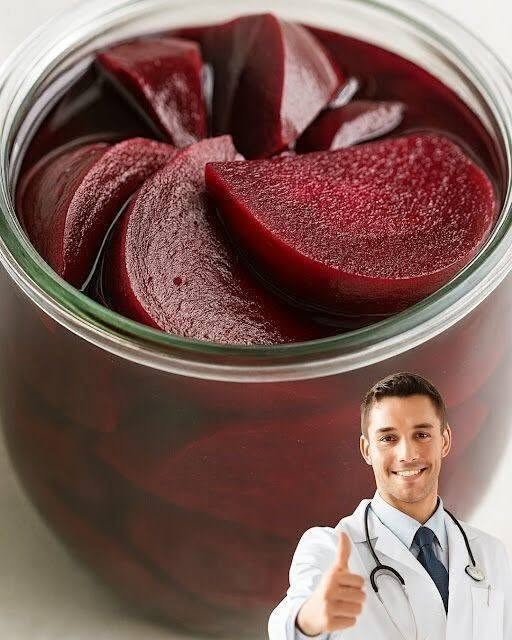
Beetroot is more than a colorful addition to your salad. This earthy, deep-red vegetable contains fiber, folate, potassium, and naturally occurring nitrates that may support circulation, blood pressure, and exercise performance.
But what actually happens when you eat beetroot regularly? And is drinking beetroot juice better than eating the whole vegetable?
Here is what research suggests about the potential benefits, the possible side effects, and the easiest ways to add beets to your diet.
1. Your Blood Pressure May Improve
One of the most studied benefits of beetroot is its potential effect on blood pressure.
Beets contain dietary nitrates, which the body can convert into nitric oxide. This molecule helps blood vessels relax and widen, allowing blood to flow more easily.
Research involving people with high blood pressure has found that nitrate-rich beetroot juice can modestly reduce systolic blood pressure in some circumstances. However, the response varies from person to person, and beetroot is not a substitute for prescribed medication.
2. You May Get More Out of Your Workouts
Beetroot juice has attracted attention among athletes and recreational exercisers because of its nitrate content.
By increasing nitric oxide availability, dietary nitrates may help muscles use oxygen more efficiently during certain types of exercise. Some studies have found small improvements in endurance activities such as running and cycling.
The benefits are not guaranteed, and results differ according to fitness level, the amount consumed, and the type of exercise. Eating beetroot can be part of a healthy diet, but it does not replace regular training or adequate recovery.
3. Your Digestive System Gets More Fiber
Whole beetroot provides dietary fiber, which supports normal digestion and helps maintain regular bowel movements.
Fiber can also help you feel satisfied after a meal. Eating beets alongside other vegetables, whole grains, beans, and fruit can help you reach your daily fiber needs.
One important distinction: whole beetroot contains fiber, while beetroot juice generally contains much less, especially when the pulp is removed.
4. You Get Nutrients That Support Normal Body Functions
Beetroot contains several useful nutrients, including:
- Folate: Helps the body produce DNA and form healthy red blood cells.
- Potassium: Supports normal muscle function, nerve signaling, and blood pressure regulation.
- Manganese: Contributes to normal metabolism and bone formation.
- Vitamin C: Supports immune function and helps the body absorb iron from plant foods.
Beetroot is not a miracle source of every nutrient, but it can make a valuable contribution to a varied diet.
5. You Benefit From Natural Plant Pigments
Beetroot gets its distinctive red-purple color from pigments called betalains. These compounds have antioxidant properties, and researchers are studying their possible effects on inflammation and other aspects of health.
However, laboratory findings do not automatically mean that eating beets prevents a particular disease. More research is needed to establish the long-term effects of beetroot consumption on specific health outcomes.
6. Your Urine or Stool May Turn Pink or Red
This can be surprising the first time it happens, but beetroot pigments can temporarily color urine or stool reddish or pink. This harmless effect is sometimes called beeturia.
The color change does not necessarily indicate a medical problem. However, red urine or stool can also have other causes, including bleeding. If the discoloration is unexplained, persistent, or accompanied by pain or other symptoms, seek medical advice rather than automatically blaming the beets.
7. You May Need to Be Careful if You Are Prone to Kidney Stones
Beetroot contains oxalates, natural compounds that can contribute to the formation of certain kidney stones in susceptible people.
Most people do not need to avoid beetroot. However, if you have a history of calcium oxalate kidney stones or have been advised to follow a low-oxalate diet, ask your healthcare professional how much is appropriate for you.
Drinking large quantities of beetroot juice is not necessarily better than eating moderate portions of the whole vegetable.
8. What About Beetroot Juice Every Day?
Beetroot juice can be a convenient way to consume dietary nitrates, but it is more concentrated than many ordinary servings of whole beetroot. Juice may also provide less fiber and can contain a substantial amount of natural sugar, depending on the serving size.
If you enjoy beetroot juice, moderate portions are a sensible starting point. People with low blood pressure or those taking blood-pressure-lowering medication should discuss regular, high-volume consumption with their healthcare professional.
You do not need to drink beetroot juice daily to benefit from a balanced diet that includes vegetables.
How to Eat More Beetroot
You can enjoy beetroot in several simple ways:
- Roasted: Cut into cubes, season with olive oil and herbs, and roast until tender.
- Boiled: Cook until soft, then slice and serve with lemon juice.
- Salad: Combine cooked beetroot with leafy greens, beans, or feta cheese.
- Smoothie: Blend a small amount of cooked beetroot with fruit and plain yogurt.
- Juice: Blend or juice beetroot, then adjust the flavor with apple, lemon, or ginger.
Choose the preparation you enjoy most. The best option is the one you can comfortably include in your regular eating habits.
The Bottom Line
Beetroot offers fiber, essential nutrients, and natural nitrates that may support healthy blood pressure and exercise performance. It is a nutritious addition to many diets, but it does not detoxify the body, cure disease, or guarantee better circulation.
For most people, eating beetroot as part of a varied diet is a simple way to enjoy its nutritional benefits. If you have a history of kidney stones, low blood pressure, or concerns about medication interactions, seek personalized advice before making concentrated beetroot juice a daily habit.
Do you prefer beetroot in a salad, cooked as a side dish, or blended into juice? Share your favorite way to enjoy this colorful vegetable in the comments!