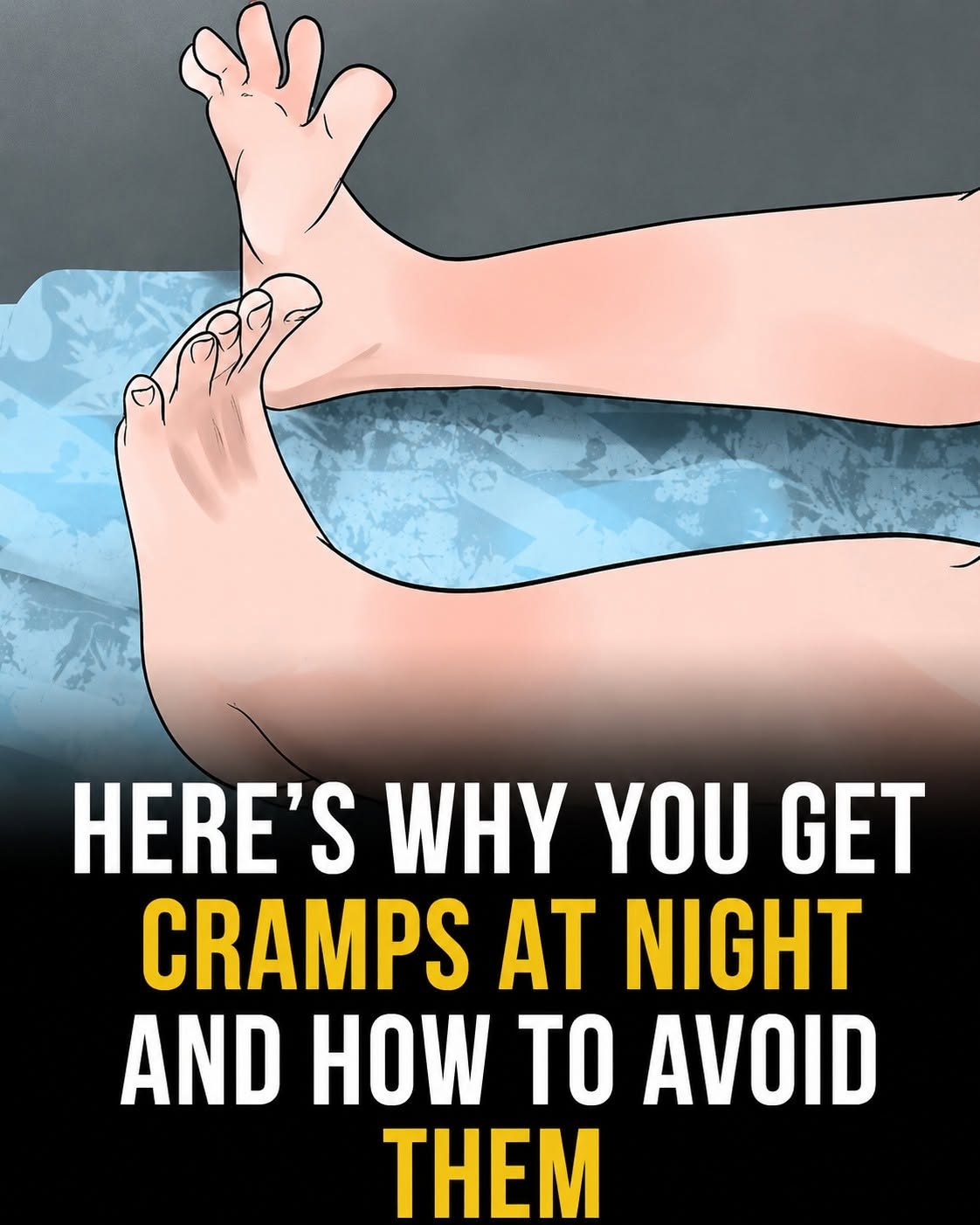
Waking suddenly because your calf or foot has tightened into a painful knot can be an unpleasant experience. Nighttime leg cramps are common and often harmless, but when they happen repeatedly, they can interrupt sleep and affect daily life.
The good news is that simple measures may help relieve a cramp and reduce how often it occurs. Understanding the possible causes can also help you recognize when medical advice is needed.
What Causes Leg Cramps at Night?
Nighttime leg cramps are sudden, involuntary muscle contractions that usually affect the calves, feet or thighs. They can last from a few seconds to several minutes, and the affected muscle may remain sore afterward.
In many cases, the exact cause is unknown. Possible contributing factors include:
- Muscle fatigue: Unusual or intense exercise can put extra strain on the muscles.
- Dehydration: Not drinking enough fluids can contribute to muscle cramps in some circumstances.
- Prolonged sitting or standing: Certain daily habits and positions may be associated with nighttime cramps.
- Medications: Some medicines, including certain diuretics and cholesterol-lowering drugs, may contribute.
- Pregnancy and ageing: Both are associated with a greater likelihood of experiencing leg cramps.
- Underlying health conditions: Nerve disorders, diabetes, kidney disease and circulation problems can sometimes be involved.
Importantly, nighttime cramps do not automatically mean you have a vitamin or mineral deficiency. <Cite refs={[“turn686141search1″,”turn686141search0″,”turn686141search4”]}/>
What Should You Do When a Cramp Starts?
If a painful cramp wakes you up, try these steps:
1. Gently stretch the affected muscle.
For a calf cramp, straighten your leg and pull your toes toward your shin. Avoid jerking the foot or forcing the stretch beyond what feels tolerable.
2. Massage the muscle gently.
Light massage may help the muscle relax as the contraction subsides.
3. Stand or walk carefully if you can.
Putting weight on the affected leg may help ease a calf cramp. Hold onto something stable if you feel unsteady.
4. Try warmth.
A warm shower or bath may help relax the affected muscle and ease lingering discomfort.
Most ordinary cramps resolve on their own, but severe or persistent pain should not be ignored. <Cite refs={[“turn686141search0″,”turn686141search1″,”turn686141search3”]}/>
How Can You Reduce Nighttime Leg Cramps?
A few practical habits may help:
- Stretch before bed. Gentle calf stretches before sleeping may reduce the frequency of cramps for some people.
- Stay adequately hydrated. Drink fluids regularly, adjusting your intake for activity and weather. If you have been told to restrict fluids because of a medical condition, follow your clinician’s advice.
- Increase exercise gradually. Avoid sudden increases in exercise intensity, especially if your muscles are not accustomed to it.
- Review your medications. If cramps started after beginning a medicine or changing a dose, ask your healthcare professional whether it could be contributing. Do not stop prescribed medication on your own.
- Keep a symptom record. Note when cramps occur, which muscles are affected, how long they last and whether anything seems to trigger them.
These steps may help, although they cannot prevent every episode. <Cite refs={[“turn686141search0″,”turn686141search1″,”turn686141search3”]}/>
Should You Take Magnesium or Potassium?
Not necessarily. Although mineral imbalances can cause muscle cramps in some situations, taking supplements does not reliably prevent ordinary nighttime leg cramps in everyone.
Research has generally found little evidence that magnesium supplements provide meaningful relief for typical nighttime cramps in nonpregnant adults. Potassium and other supplements should not be taken in high doses without appropriate medical advice, because excessive amounts can be harmful.
If your cramps are frequent or you have risk factors for a deficiency, a healthcare professional can help determine whether testing or treatment is appropriate. <Cite refs={[“turn686141search7″,”turn686141search9″,”turn686141search10”]}/>
When Should You See a Doctor?
Arrange a medical appointment if cramps repeatedly disturb your sleep, last longer than usual, or occur alongside numbness, weakness or muscle loss. A clinician can review your symptoms, medications and medical history to decide whether further investigation is needed.
Seek urgent medical attention if you develop significant swelling, redness, warmth or persistent pain in one leg, particularly if these symptoms are new. If leg symptoms occur with sudden shortness of breath or chest pain, seek emergency help immediately.
These symptoms are not typical of a simple nighttime cramp and may require prompt assessment. <Cite refs={[“turn686141search0″,”turn686141search4″,”turn686141search14”]}/>
The Bottom Line
Nighttime leg cramps are often harmless, and gentle stretching, massage and regular movement may help. However, they are not always caused by tired muscles, dehydration or a mineral deficiency, and supplements are not a universal solution.
If cramps keep returning or come with other concerning symptoms, seek medical advice rather than relying solely on home remedies.
Have nighttime leg cramps ever woken you from sleep? Share what helped you find relief, and remember that persistent or unusual symptoms deserve professional attention.