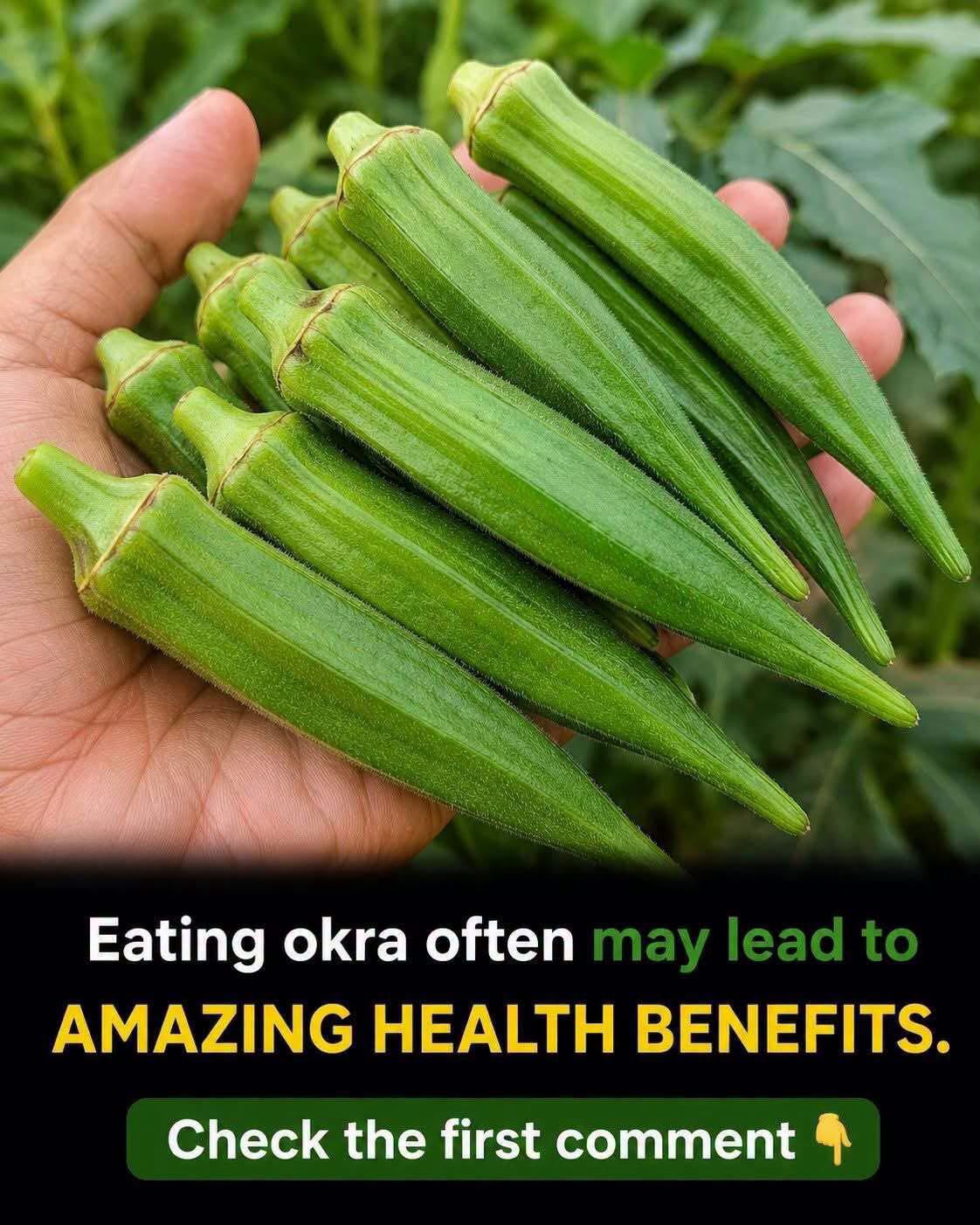
Posts touting the “miraculous” health virtues of specific foods circulate widely across social media platforms. The shared image shows a handful of fresh green okra pods, paired with a general claim promising amazing health benefits.
While okra (also known as ladies’ fingers) is indeed a nutrient-dense vegetable packed with vitamins, minerals, and dietary fiber, viral social media posts frequently exaggerate its medical properties—presenting it as a “miracle cure” capable of curing diabetes, eliminating hypertension, or replacing prescribed medications without solid scientific proof.
Here is the nutritional breakdown of okra, the clickbait mechanics behind “superfood” posts, and practical advice for incorporating it into a balanced diet:
1. The Problem: The Clickbait Formula Behind “Superfood” Myths
Visuals promoting medicinal herbs or vegetables often rely on proven viral engagement tactics:
- Exaggerated Medical Claims: Framing a common garden vegetable as a silver-bullet remedy for chronic conditions can lead vulnerable individuals to delay or discontinue necessary medical treatments.
- Information Retention (Clickbait): Building suspense around alleged health benefits prompts users to click, comment, and share the post massively.
- Oversimplified Remedies: Promoting “miracle recipes” (such as cold-infused okra water) as a universal medical fix generates high share volume while ignoring the biological complexity of metabolic conditions.
2. Explanation: What Does Science Say About Okra?
From a biological and nutritional standpoint, okra offers genuine health benefits when consumed as part of a well-rounded diet:
- Rich in Soluble Fiber and Mucilage: Okra’s characteristic slippery texture comes from its natural mucilage. These soluble fibers support healthy digestion, nourish the gut microbiome, and help reduce cholesterol absorption in the digestive tract.
- Blood Sugar Management: Clinical studies indicate that the fibers and polyphenols in okra can slow carbohydrate absorption in the intestines, helping to stabilize post-meal blood sugar levels. However, it cannot replace medical therapies such as insulin or oral antidiabetic drugs.
- Antioxidant and Vitamin Density: Okra is an excellent source of Vitamin C, Vitamin K, folate (Vitamin B9), and antioxidants (like isoquercetin and flavonoids) that help protect cells against oxidative stress.
3. Advice & Steps: How to Prepare and Consume Okra
To enjoy the health benefits of okra without falling for internet health fads, keep these practical culinary tips in mind:
1. Include It Fresh in Daily Meals
- Enjoy okra sauteed, roasted, steamed, or simmered in stews, soups, and gumbos. Quick cooking methods help retain its heat-sensitive vitamins.
2. Reduce Sliminess if Desired
- If you dislike the mucilaginous texture, cook whole pods quickly over high heat, or cook them alongside acidic ingredients like tomatoes or lemon juice to neutralize the slime.
3. Never Replace Prescribed Treatments
- If you manage chronic health conditions like diabetes, hypertension, or high cholesterol, continue following your physician’s guidance. Okra is a nutritious food, not a pharmaceutical substitute.
Disclaimer & Safety Guidelines
This article is provided for general educational, nutritional literacy, and fact-checking purposes. Viral social media posts frequently exaggerate the therapeutic effects of fresh produce. If you manage a chronic medical condition or have questions about your diet, consult a qualified physician or registered dietitian.