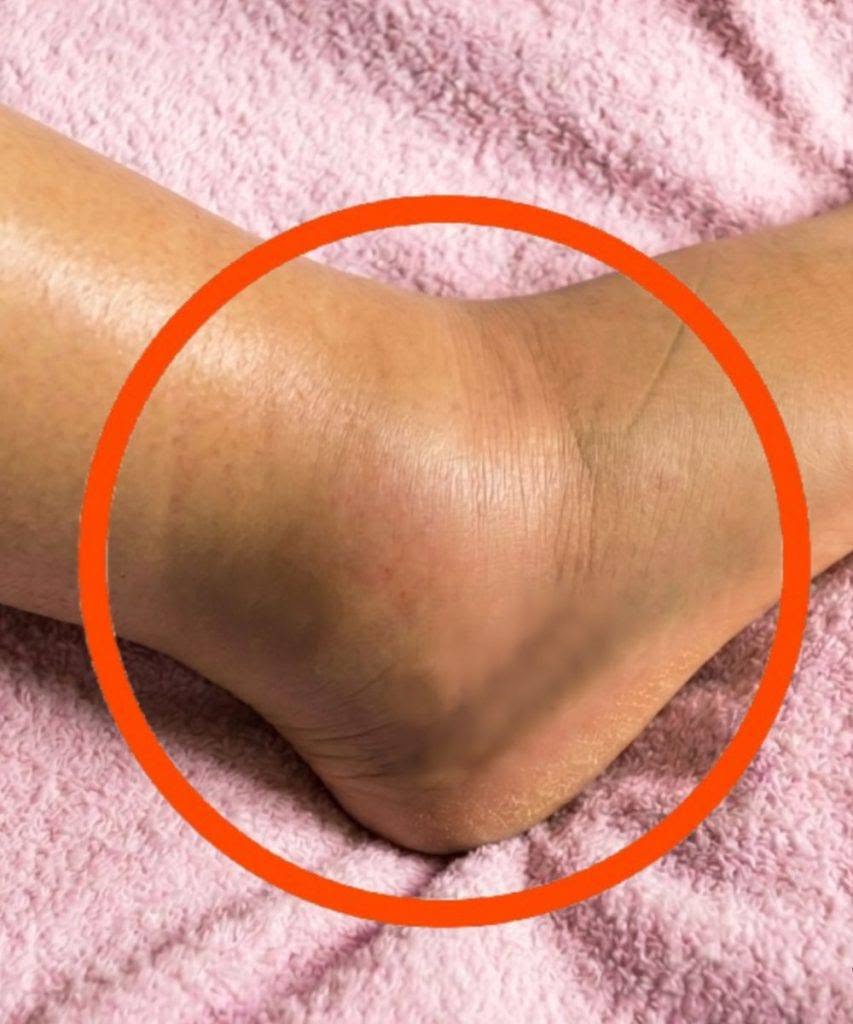
Swollen ankles, feet or legs are often caused by something relatively simple, such as sitting or standing for too long, eating a lot of salty food, warm weather or certain medications.
But persistent swelling can sometimes be a sign of an underlying medical problem, so it shouldn’t automatically be dismissed. This type of swelling is called edema.
🦶 Common Reasons Your Legs May Swell
1. Poor circulation in the veins
When the veins have difficulty returning blood toward the heart, fluid can accumulate in the legs. Varicose veins and chronic venous insufficiency are common causes.
2. Too much salt
A high-sodium diet can cause the body to retain more fluid, which may contribute to swelling.
3. Sitting or standing for long periods
Long hours at a desk, standing at work, or long car or airplane trips can cause temporary swelling.
4. Certain medications
Some blood-pressure medications, hormones, antidepressants, steroids and anti-inflammatory medicines can cause leg swelling as a side effect.
5. Heart problems
Heart failure can cause fluid to accumulate in the legs and ankles. Swelling accompanied by shortness of breath or unusual fatigue deserves medical attention.
6. Kidney problems
The kidneys help regulate fluid and salt balance. When kidney function is impaired, excess fluid can sometimes accumulate in the body.
7. Liver disease
Certain liver conditions can cause changes in fluid balance and lead to swelling in the legs or abdomen.
8. A blood clot
A clot in a deep vein can cause swelling, particularly when it develops suddenly in one leg. The leg may also become painful, warm or red.
9. Thyroid problems
Some thyroid disorders can contribute to swelling and other changes in the body.
10. Injury or infection
An injured or infected leg can become swollen, painful, red or warm.
🔎 One Simple Clue: Does It Leave a Dent?
In some forms of edema, pressing a finger against the swollen area for several seconds can leave a temporary indentation in the skin.
This is called pitting edema.
However, this simple test cannot tell you what is causing the swelling.
⚠️ When Should You Be Concerned?
Don’t ignore swelling that is:
- Sudden or severe
- Mainly affecting one leg
- Painful, red or warm
- Getting progressively worse
- Associated with swelling elsewhere in the body
- Persistent without an obvious explanation
And seek emergency medical care if leg swelling occurs together with chest pain, severe shortness of breath, fainting, or coughing up blood, because these can be signs of a serious blood clot or heart/lung problem.
❤️ What Can Help With Mild Swelling?
If there is no serious underlying condition, simple measures may help:
- Elevate your legs when resting
- Take regular walks and avoid sitting for hours
- Avoid excessive salt
- Stay physically active
- Avoid very tight clothing around the legs
- Follow your doctor’s advice regarding compression stockings
Don’t start water pills or stop prescription medication on your own.
The Bottom Line
Swollen legs do not automatically mean your kidneys or heart are failing. There are many possible causes, ranging from prolonged standing to vein problems, medications, kidney disease, heart disease or a blood clot.
If the swelling is new, persistent or unexplained, the safest approach is to find out why it’s happening rather than trying to treat the swelling alone.