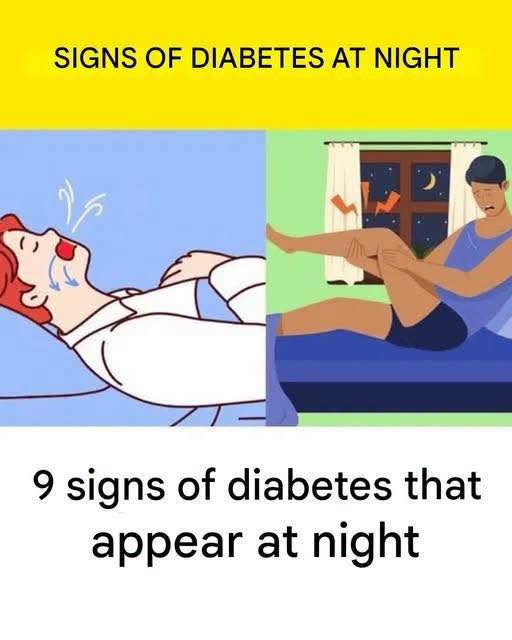
Certain physiological signs at night serve as important clinical indicators of blood sugar imbalance. Elevated blood sugar levels (hyperglycemia) affect the body’s normal functions, which can become particularly noticeable during sleep.
Here is a medical breakdown of common nighttime diabetes symptoms, along with practical advice for seeking a diagnosis.
1. Common Nighttime Symptoms Associated with Diabetes
- Frequent Nighttime Urination (Nocturia): The kidneys work overtime to filter and excrete excess glucose through urine, causing a person to wake up multiple times during the night to use the bathroom.
- Intense Thirst and Dry Mouth (Polydipsia): Significant fluid loss from frequent urination leads to constant dehydration and a persistent dry mouth overnight.
- Nighttime Leg Cramps: Poor circulation combined with electrolyte imbalances and early-stage nerve irritation can cause involuntary muscle cramps in the calves and feet at night.
- Tingling or Numbness in Feet: Diabetic peripheral neuropathy often manifests as burning, tingling, or “pins and needles” sensations in the feet that become more noticeable when resting in bed.
- Night Sweats (Hypoglycemia): For individuals with diabetes or insulin resistance, sudden drops in blood sugar levels during sleep can trigger cold sweats, nightmares, or waking up feeling disoriented.
- Sleep Disturbances and Sleep Apnea: Type 2 diabetes is frequently linked with obstructive sleep apnea, which causes loud snoring, gasping for air, and fragmented sleep.
2. Common Misconceptions vs. Medical Facts
- “Having these symptoms automatically means you have diabetes”: This is false. Symptoms like leg cramps, dry mouth, or waking up at night can also stem from simple dehydration, high stress, or nutrient deficiencies.
- The Need for Laboratory Testing: No self-assessment or visual symptom list can diagnose diabetes. A formal diagnosis requires standard blood tests, such as a fasting plasma glucose test or an HbA1c test ordered by a healthcare provider.
3. Practical Steps: What to Do If You Notice These Symptoms
If you regularly experience several of these nocturnal signs, consider taking the following actions:
1. Schedule a Medical Screening
- Consult a physician to undergo a routine fasting blood sugar test. This is a quick and definitive way to evaluate your glucose levels.
2. Practice Healthy Nighttime Habits
- Hydration Balance: Drink adequate water throughout the day, but reduce heavy liquid intake right before bed to minimize nighttime bathroom trips.
- Balanced Evening Meals: Avoid consuming high-carb or sugary snacks close to bedtime to prevent nocturnal blood sugar spikes.
3. Monitor Foot Health and Sleep Patterns
- If you experience tingling or numbness in your feet, avoid hot foot baths before sleeping and wear loose, comfortable socks to keep your feet warm.