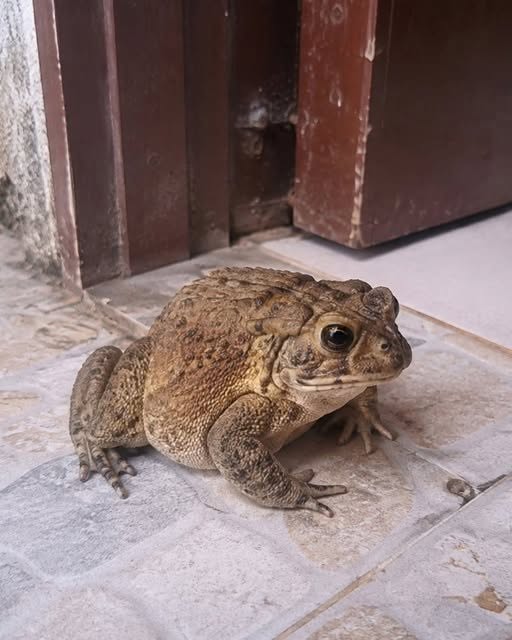
The presence of amphibians near residential homes is a common occurrence, particularly during warm or rainy seasons. Spotting a toad on a doorstep, porch, or garden path can be fully explained by precise ecological factors related to their lifestyle and basic survival needs.
Here is a breakdown of why toads visit homes, along with practical, safe steps for managing them.
1. Why Do Toads Come Near Houses?
Toads are drawn to human habitations primarily for three reasons:
- Abundance of Food: Outdoor porch lights, patio lamps, and floodlights attract swarms of nocturnal insects (such as mosquitoes, moths, and beetles). For a toad, a lit entryway serves as an ideal, low-effort hunting ground.
- Search for Moisture: An amphibian’s skin is permeable, requiring a cool, damp environment to prevent dehydration. Micro-habitats under potted plants, shaded doorsteps, and doormats provide excellent shelter.
- Dark Daytime Shelter: During the day, toads seek protection from direct sunlight and predators. Cracks in walls, gaps under steps, and shaded patio corners offer safe resting spots.
2. The Ecological Role of Toads Around Your Home
Toads play a valuable role in maintaining a balanced local ecosystem:
- Natural Pest Control: Toads consume large quantities of insects, slugs, snails, and caterpillars, making them a natural asset for gardens and plant care.
- Harmless to Structures: Toads do not burrow destructive holes or damage home foundations.
- Safe for Humans: Contrary to persistent urban myths, touching a toad does not cause warts. Their skin simply contains natural, harmless glands.
3. Practical Tips & Safety Guidelines
To manage toad encounters safely around your property, follow these recommendations:
1. What to Do Upon Encountering a Toad
- Outdoors: Leave the toad alone to continue its nighttime feeding. It will naturally return to its shaded shelter before sunrise.
- Indoors: If a toad strays inside, gently move it using a plastic container or clean gardening gloves (to protect its sensitive skin) and release it in a dark, moist spot in your garden.
2. Precautions for Pets
- Toads possess parotoid glands located behind their eyes that secrete a bitter, mildly toxic fluid (bufotoxin) when they feel threatened or bitten.
- If a dog or cat mouths a toad, they may drool excessively. Gently rinse out your pet’s mouth with clean water, directing the stream outward so they do not swallow it.
3. Reducing Attraction to Your Entryway
- If you want to discourage toads from gathering near your doors, turn off unnecessary outdoor lights at night or switch to warm-toned LED bulbs, which attract fewer flying insects.