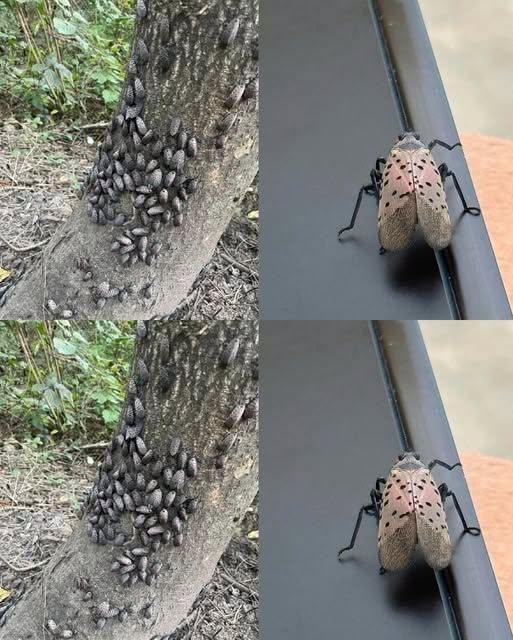
Here is the entomological breakdown of the Spotted Lanternfly, the mechanics behind invasive species panic-baiting, and practical guidelines on how to respond responsibly:
1. The Problem: Panic-Baiting and Sensationalized Warnings
Viral warnings about invasive species rely on proven psychological triggers to drive shares and emotional reactions:
- High-Volume Alarmism (“THEY ARE HERE!!!!”): Using all-caps text and multiple exclamation marks creates a false sense of immediate personal danger, compelling users to share without verifying the facts.
- Calls for Indiscriminate Destruction (“immediately get rid of them”): Encouraging people to destroy insects on sight often leads to the accidental killing of harmless native lookalike species (such as native moths or planthoppers).
- Exploiting Entomophobia: Transforming a targeted agricultural containment protocol into a generalized home invasion fear heightens stress among suburban homeowners.
2. Explanation: What Is the Spotted Lanternfly and Why Is It a Concern?
From an entomological and agricultural standpoint, the Spotted Lanternfly poses specific ecological risks while remaining completely harmless to humans:
- Origin and Invasive Status: Native to East Asia, Lycorma delicatula is an invasive planthopper introduced to North America (first detected in Pennsylvania in 2014). It feeds on the sap of over 70 plant species, with a strong preference for the invasive Tree of Heaven (Ailanthus altissima), grapevines, hops, and fruit trees.
- Agricultural Impact: As it feeds, it excretes a sticky, sugary waste called honeydew. This substance promotes the growth of black sooty mold, which blocks sunlight, damages plant leaves, and severely impacts vineyards and orchards.
- Zero Direct Risk to Humans and Pets: Spotted Lanternflies do not bite, sting, transmit human diseases, or cause structural damage to homes. They are strictly plant-feeding insects.
3. Advice & Steps: How to Respond Responsibly to Invasive Pests
To help manage invasive populations effectively without harming local ecosystems, follow these official recommendations:
1. Confirm Proper Identification
- Before taking action, verify the insect’s identity using official field guides. Adult Spotted Lanternflies have grey forewings with black spots, but their striking red underwings are only visible when their wings are spread open.
2. Report Sightings to Agricultural Authorities
- If you live in an area where the Spotted Lanternfly is actively regulated or newly spreading, take a clear photograph and report the sighting to your local state department of agriculture or extension office rather than spreading unverified fear online.
3. Use Targeted, Eco-Friendly Removal
- If confirmed, scrape egg masses (mud-like egg coverings found on tree bark during autumn and winter) into a sealable container with rubbing alcohol or hand sanitizer. Avoid spraying broad-spectrum chemical pesticides, which kill beneficial native pollinators.
Disclaimer & Safety Guidelines
This article is provided for general educational, environmental literacy, and fact-checking purposes. Viral pest warnings frequently exaggerate immediate personal dangers to generate social media engagement. For official agricultural advisories and reporting protocols, always consult your local environmental protection agency or agricultural extension service.